


Chemotherapy Compounding
The PharmaScope Onco Automated IV Chemotherapy Compounding System offers an innovative and cost-effective solution for preparing IV chemotherapy, ensuring accurate dosing for patient safety while protecting operators and the environment from hazardous drugs.

Stability Chamber & Walk-in
The 2-Zone Cold and Hot Shock Test Chamber is engineered to simulate extreme temperature shifts by rapidly transferring test samples between hot and cold environments. With a robust stainless-steel build, high-efficiency cooling system, and automated basket movement, it ensures precise and repeatable stress testing. Ideal for industries like aerospace, automotive, and electronics, it helps evaluate product durability under the harshest thermal conditions.

Stability Chamber & Walk-in
The 3-Zone Cold and Hot Shock Test Chamber from TOPECT simulates rapid thermal changes across high, low, and ambient temperature zones to test product durability under extreme stress. With a swift zone-switching time under 10 seconds and recovery within 2–5 minutes, it ensures precise, repeatable performance. Engineered with stainless steel chambers, smart touchscreen + PLC control, and modular refrigeration, built tough with smart automation, this chamber is where innovation meets endurance.
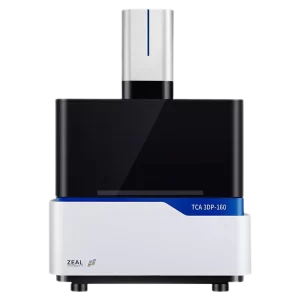
Thermal Analysis and Calorimetry
Based on non-contact infrared thermography and 3D heat transfer inverse analysis, the TCA 3DP-160E directly measures in-plane and through-plane thermal conductivity of pouch lithium-ion batteries without sample destruction. Test Parameters Thermal conductivity Applications Pouch lithium-ion batteries

General Lab Equipment
The YG(B)812D is a high-precision instrument for evaluating the waterproof performance and impermeability of fabrics such as raincoats, tents, coated cloth, and geotextiles. Compliant with multiple international standards (GB/T4744, AATCC 127, JIS L1099, DIN 53886, BS 7209, etc.), it applies hydrostatic pressure to measure water resistance accurately. Equipped with multiple testing modes, automatic grading, multi-unit measurement, and a stainless-steel corrosion-resistant body, this tester delivers reliable results quickly with user-friendly automation.

General Lab Equipment
Color Fastness is the property of a material to resist the change in its own color or transfer its color to another material. It happens when a fabric is subjected to a harsh environment resulting in contact with liquids. i.e. rain, sweat, etc. Perspiration is the human sweat process that can be acidic or basic. When garments come in contact with sweat, it affects their color and bleeding behavior. This process is applied to dyed, printed, and colored fabrics. The YG(B) 631 color fastness apparatus is used to measure this color change. The fabric sample is sandwiched with multi-fabric, stacked between its plates, and left for several hours. After test time, fabric and multi-fabric is evaluated.

General Lab Equipment
This instrument measures how effectively a fabric can block harmful ultraviolet (UV) radiations of the sun. This test is often used for fabrics where UV protection is necessary for human health. This is usually measured by textiles’ Ultraviolet Protection Coefficient/Factor (UPF). Sports clothing, Outdoor gear, and Umbrellas need UV testing because of their direct exposure to sunlight, which can cause color fade, skin damage, and other health issues. This tester measures both UVA and UVB-type rays. A fabric with a higher UPF value is considered good for protection.

General Lab Equipment
This Textiles Liquid Water Transfer Performance Tester is an advanced and specialized instrument designed to analyze and optimize fabric moisture control, focusing on quick drying capabilities. This tester operates by mimicking the real-world moisture conditions on sample fabric. A controlled liquid droplet is put in the targeted fabric, and the highly sensitive sensors sense the moisture content, absorbance and evaporation. The key specifications of the system, such as wetting time, moisture spreading speed, absorption rate and evaporation timing, are measured to calculate the fabric´s moisture management capability.